House Edge and Long Term Losses: Reading the Fine Print on Australian Pokies
The heat shimmers off the bitumen at a Darwin service station as the late arvo traffic rolls past, and inside the caravan park office a couple of blokes are arguing over the pokies payout on a $2 coin. It’s the sort of scene that reminds you most Australians treat the pokies like a bit of weekend fun, yet the maths sitting behind every spin rarely gets a proper airing. When you strip away the flashing lights and the bonus chatter, the real conversation is about house edge and long term losses, and that’s the lens I’ve used across two decades of commercial strategy work to cut through marketing noise and focus on what the numbers actually do over time.
What the Edge Actually Means on the Floor
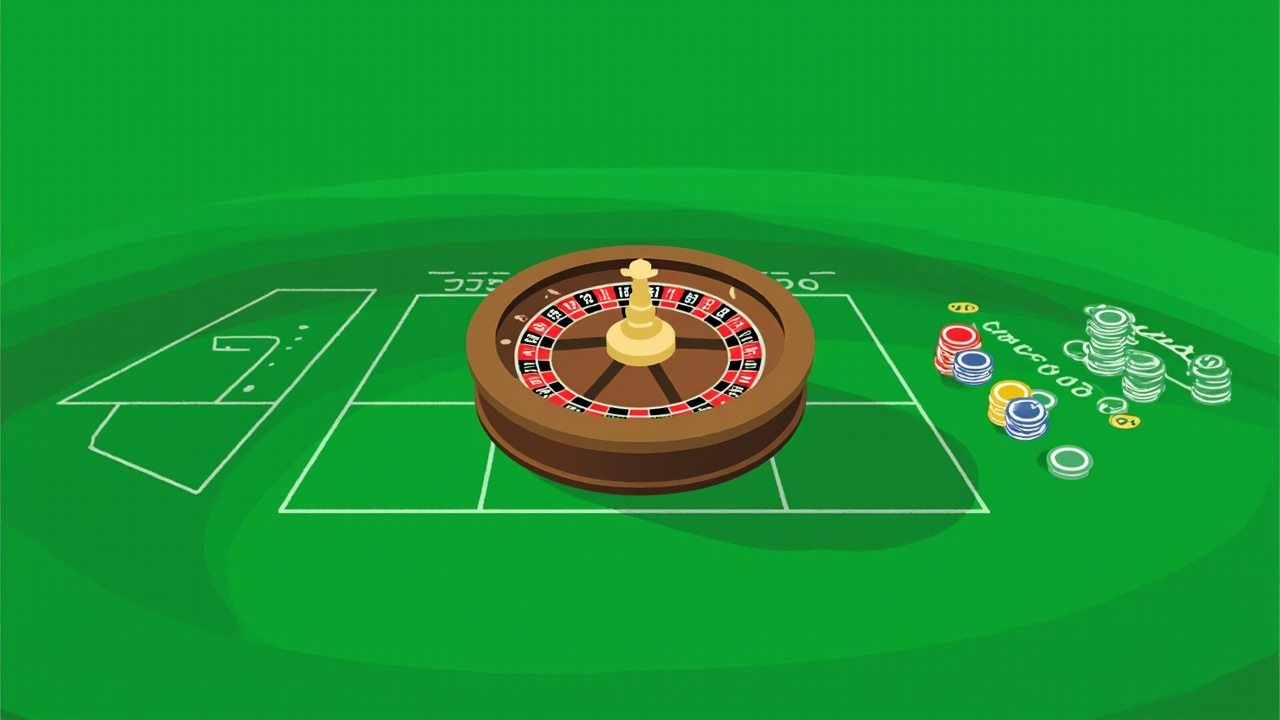
House edge isn’t a mystery fee; it’s the built-in mathematical tilt that ensures the operator keeps a percentage of all money wagered over a long run of spins, hands, or bets. In plain terms, if a pokies game carries a return to player of 94 percent, the remaining six percent is the edge, and that edge compounds across every bet you place, not just the ones that lose. I’ve sat through enough investor briefings to know that operators price their floors around this figure because it dictates cash flow, not because they’re trying to pick your pocket on a bad night. The sensible way to read it is as a long-run expectation rather than a per-spin verdict, which means short sessions can absolutely go either way while the maths only settles in over hundreds or thousands of wagers.
For an Australian player, the practical takeaway is that the edge varies by game design, by bet size, and by the features that trigger bonus rounds, so treating every pokies title as if it behaves the same way is a mistake. Some games lean on frequent small returns, others hold back for less frequent but larger payouts, and neither approach changes the underlying edge if the published figures are accurate. My advice from years of auditing commercial offers is to treat the published return figure as a starting point, then check whether the bonus mechanics or wagering requirements around a promotion shift the effective cost of play in practice. The edge itself doesn’t move just because a promotion lands in your inbox, but the conditions attached to that promotion can change how much of your own money you’re effectively risking to meet them.
A compact way to compare the common structures you’ll see on a typical floor looks like this.
| Structure | Typical published return | What it means in practice |
|---|---|---|
| High-frequency pokies | Around 95-96 percent | Smaller swings, steadier pace, edge still bites over time |
| Bonus-heavy pokies | Around 94-95 percent | Larger feature payouts, longer dry spells between triggers |
| Table-style digital games | Around 97-98 percent on select bets | Lower edge on specific wagers, but bet sizing still drives exposure |
I’ve watched operators present these ranges as if they’re interchangeable, but the distinction matters because your bankroll behaviour and session length interact with the structure far more than the headline figure alone. A game with a slightly lower published return can still feel kinder over a short arvo if its volatility suits the way you’re betting, while a higher-return title can chew through a balance faster if the feature triggers are sparse. The point isn’t to hunt for a perfect game, because there isn’t one, but to pick a structure that matches the kind of session you actually want and then accept that the edge will do what it does over time.
Benjamin Turner, Head of Live Casino, Southern Capital Advisory, puts the practical risk plainly when he says, “The edge is a long-run anchor, not a per-session promise, so anyone budgeting for a night out should plan around the expectation, not the outlier.” That framing lines up with what I’ve seen in commercial audits: the operators who survive downturns are the ones that price their offers around realistic retention maths rather than chasing the illusion that a promotion can override the underlying edge.
How Promotions Shift the Real Cost of Play
A bonus or free spins offer can look generous on the page, but the real question is how the attached conditions change the amount of your own money you’re effectively committing before you can withdraw anything. Wagering requirements, game contributions, and maximum cashout caps all interact with the house edge, which means a promotion that appears to add value can quietly raise the cost of play if the terms push you to wager more than you intended. I’ve advised investor clients through enough offer structures to know that the marketing copy and the fine print rarely tell the same story, so the habit I recommend is to read the conditions as a cost schedule before you read them as a bonus.
In practice, a fair promotion gives you some extra play without forcing you to chase an unrealistic turnover, while a heavy one can turn a short session into a long grind that exposes you to the edge for much longer than you planned. The distinction matters because the edge doesn’t pause while you’re working through a wagering requirement, so the longer you’re required to keep betting, the more the maths gets a chance to settle in your direction or against it. That’s why I’d rather see a smaller offer with sensible terms than a large one that only pays out after you’ve wagered many times over, because the latter is effectively asking you to buy more exposure to the house edge and long term losses than the headline suggests.
If you’re comparing where to spend a bit of time, lucky dreams casino australia alongside top pokies is one of the options that tends to present its offers with the sort of conditions a careful player can read quickly, which makes it easier to judge whether a promotion is genuinely extending your play or just adding friction. The useful habit is to treat any offer as a separate calculation: work out how much of your own bankroll you’d need to risk to clear the terms, then decide whether that extra exposure fits the session you had in mind before you clicked through.
Aaron Nelson, Strategy Director, Swan River Interactive, captures the practical side well when he notes, “A promotion only helps if the conditions let you play within your plan, because a big offer with heavy turnover can cost more in edge exposure than it gives back in extras.” That’s the kind of caveat I’d want front of mind before any session, because it keeps the focus on what you’re actually spending rather than what the banner says you’re getting. Videoslots Spelen: A Clearer Way To
Session Planning Around the Numbers
The most useful way to approach a session is to decide in advance how much you’re willing to spend for the entertainment, then treat anything beyond that as money you’ve already chosen not to risk. That sounds simple, but it’s the discipline that keeps the edge from turning a short bit of fun into a longer loss than you meant to take, because the house edge and long term losses only reveal their true shape when play runs on past the point you planned. I’ve applied the same kind of planning logic to commercial budgets for clients across competitive sectors, and the principle transfers cleanly: set the limit first, then let the activity fit inside it rather than letting the activity redraw the limit as you go.
A practical session plan usually includes a starting balance, a stop point for the evening, and a decision about whether you’re playing for the spin of the moment or for a longer stretch of time, because those two intentions lead to very different bet sizes and pacing. A smaller bet on a higher-return game can stretch a session without dramatically increasing your exposure, while a larger bet on a bonus-heavy title can make the swings feel bigger and the dry spells more frustrating. Neither choice is wrong, but each one changes how much of the edge you’re likely to feel in a single sitting, so the plan should match the experience you want rather than the payout you’re hoping to chase.
There’s also the question of pace, because playing fast increases the number of wagers per hour and gives the edge more opportunities to compound, which is why a session that feels relaxed can still become expensive if the bets keep landing without a break. I’ve seen enough players treat the machine as a busier as the night goes on to know that the temptation to keep feeding the balance is real, and the only reliable counter is a pre-set exit point that you actually honour. No worries, the odd win will happen, and the odd losing streak will too, but the plan is what keeps both of those outcomes inside the entertainment budget you set at the start.
Reading the Offer Before You Play
Before you start, the sensible check is to confirm the published return figure, the bet ranges, and the terms of any promotion, then decide whether the combination suits the session you actually want rather than the one the banner implies. I’ve spent enough time auditing commercial offers to know that the details around currencies, payment timing, and registration friction matter just as much as the game list, because a smooth everyday experience is what lets you stick to your plan instead of getting distracted by a clunky checkout or a vague bonus clause. A platform that presents its edge information and promotion terms clearly makes it easier to judge the real cost of play up front, which is the whole point of treating house edge and long term losses as the central question rather than an afterthought.
On the everyday side, the things worth checking are whether the game library leans toward the structures you prefer, whether the payment options match how you actually move money, and whether support is reachable if a promotion term needs clarifying before you commit. A clean registration flow and a mobile experience that doesn’t fight you on a phone screen are small things until they aren’t, because friction is exactly what pushes people to rush decisions they’d otherwise think through. I’d rather see a focused offer with a smaller but well-presented game range and honest terms than a sprawling catalogue that buries the important details under a pile of banners. lucky dreams casino australia alongside top pokies
For players who want to compare a couple of options side by side, Videoslots Spelen: A Clearer Way To Compare Online Casinos is a useful neighbouring read because it walks through the sort of comparison points that matter before you commit time or money to any one platform. The useful habit is to treat the comparison as a way to narrow down what fits your plan, not as a reason to keep shopping forever, because the edge is always there and the only real choice is how clearly you want to see it before you start.
Conclusion
The long-run reality is that the house edge and long term losses are two sides of the same maths, and the only honest way to approach them is to plan your session around what you’re willing to spend for the entertainment rather than what you hope to take out. I’ve spent twenty years advising on commercial offers and investor questions across competitive sectors, and the throughline is always the same: clear terms, realistic expectations, and a plan you actually follow are what keep a bit of fun from turning into a bigger loss than you meant. Play with your eyes on the numbers, set your limit before the first spin, and treat any promotion as a condition to read rather than a promise to believe.